How Much Does a Home Inspection Cost (2026 Pricing Guide)
Prices updated November 2026 · Kirpa Home Inspection Services, Brampton
You're about to spend $800,000 on a house. A home inspection starts at $149.
That math should be simple. But a lot of buyers in Brampton still skip it or hire the cheapest person they can find and end up paying for it later.
This guide breaks down exactly what a home inspection costs in Brampton, what affects the price, what the add-on inspections cost and what you get for them, and why the inspection fee is the least expensive part of this equation.
TL;DR
- Home inspections start at $149 for a condo or apartment. Townhouses start at $349, detached homes at $399, large homes at $449.
- Thermal imaging and moisture testing are included in every full inspection at no extra cost.
- Mold inspection: $450–$750. Takes 1 to 2 hours, and the lab analysis is included. Book it alone or with a full inspection.
- Air quality testing and WETT inspections: call (647) 474-5626 for a quote.
- Skipping the inspection is the expensive option. One Kirpa client did, and paid over $10,000 for one drain line.
Kirpa Home Inspection Pricing in Brampton
Here's the straight answer most websites won't give you: home inspections at Kirpa start at $149.
| Property Type | Starting Price |
|---|---|
| Condo / Apartment | $149+ |
| Townhouse / Semi Detached | $349+ |
| Detached Home (under 2,000 sq ft) | $399+ |
| Large Home (over 2,000 sq ft) | $449+ |
These are real prices, not vague ranges like "$300 to $800" that tell you nothing.
Price goes up with the size and age of the home, and with add-ons like a mold inspection or an air quality test. Thermal imaging and moisture testing are already part of every inspection at no extra cost. Either way, the base price is clear before you book.
What Affects the Cost of a Home Inspection?
Size of the Home
A larger home takes more time. More rooms, more systems, more roof surface, more crawlspace. A 3,500 sq ft detached home in Brampton takes significantly longer than a 900 sq ft condo unit and the price reflects that.
Type of Property
A condo inspection focuses on the unit itself: electrical, plumbing, appliances, windows, and any visible structural concerns. A detached home adds the roof, foundation, exterior, garage, and full HVAC system.
Age of the Home
Older homes in Brampton come with older systems. Knob-and-tube wiring, aging furnaces, original plumbing. These take more time to assess carefully.
Add-On Services
A standard inspection is visual, backed by a thermal camera and a moisture meter. Anything that needs a lab, like mold sampling or an air quality test, is an add-on, because the samples are sent out for analysis. Each add-on is broken down in the next section.
What Add-On Inspections Cost (and What You Get)
Add-ons are where most buyers get confused, and where some inspectors quietly make their money. Here's what each one costs at Kirpa and what's inside the price.
| Add-On | Price |
|---|---|
| Thermal imaging + moisture testing | Included |
| Mold inspection + lab testing | $450–$750 |
| Indoor air quality testing | Call for a quote |
| WETT inspection (wood stove / fireplace) | Call for a quote |
Mold Inspection and Testing: $450–$750
The price depends on how many rooms are affected. One musty basement corner costs less than a house with problems on two floors. The inspection itself takes 1 to 2 hours.
You can book it on its own, with no full home inspection needed, or add it to your full home inspection.
The lab fee is already in the price. Every Kirpa mold inspection includes air sampling and analysis by an independent third-party lab. There's no separate lab bill afterward. When you compare quotes, ask the other company one question: "Is the lab analysis included, or is it extra per sample?"
Here's what you're paying for:
- A conversation first. Where you smell it, when it's worse, and whether the home has ever had a roof leak, a wet basement, or a burst washer hose. That history narrows the search before any equipment comes out.
- A visual inspection of the high-risk areas. Basement corners and rim joists, under kitchen and bathroom sinks, around window frames, behind toilets and tubs, laundry areas, the attic, and any ceiling under a bathroom.
- Moisture and humidity readings. A moisture meter and a thermal camera find wet materials behind finished surfaces. Mold needs moisture, so the wet spot is usually where the mold is.
- Air samples sent to the lab. One inside the home and one outside as a control. Mold spores are normal outdoors. What matters is whether the air inside looks like the air outside, or whether something is growing in the house.
- A written report. Where the moisture is coming from and what needs to be fixed, not just "mold detected." Lab results come back within a few business days and go into the final report.
Two places Kirpa finds mold on musty-smell calls again and again: bathroom exhaust fans that vent into the attic instead of outside, and growth behind finished basement drywall. Neither one is visible from the room you're standing in.
- 1Bath fan vents into the attic. The fan runs and you can hear it. But the duct ends in the attic, not outside. Every shower sends warm, wet air onto cold roof boards, and mold grows on the underside.
- 2Behind finished basement drywall. Moisture comes through the foundation and gets trapped in the wall cavity. The drywall looks fine from the room. A moisture meter finds it in seconds. Your eyes never will.
When it's worth the money: a musty smell you can't trace, a past flood or leak, a recently finished basement, a house where the seller repainted everything before listing, or someone in the home with breathing problems.
When you don't need it: if you can see the mold and the patch is smaller than about 1 square metre (roughly a bath towel laid flat), public health guidance says you can clean it yourself. Then fix whatever is making it wet. The inspection is for the mold you can't see.
The full step-by-step: What does a mold inspection consist of? or book through mold inspection and testing.
Thermal Imaging and Moisture Testing: Included
Some inspectors sell thermal imaging as an extra. At Kirpa, it's part of every full home inspection at no extra cost, along with moisture testing.
A thermal camera doesn't see through walls. It sees temperature. Wet drywall reads cooler than dry drywall. A wall cavity with no insulation shows up as a cold streak. A loose electrical connection runs hotter than a healthy one. None of that is visible to your eyes, and all of it shows up on the camera.
- 1Cold streak: a wall cavity with no insulation.
- 2Cool patch: wet drywall below a leaking window.
- 3Hot spot: a loose electrical connection.
Think of a spill on a carpet that has dried on top. You can't see it anymore, but put your hand on it and it still feels different. The camera does that for every wall and ceiling in minutes. When it flags a cold spot, the moisture meter confirms whether it's actually wet.
What it typically catches:
- Hidden leaks around windows, under bathrooms, and near roof penetrations, often before a stain ever shows on the ceiling
- Missing or settled insulation in walls and attics
- Electrical hot spots in the panel, a fire risk that's still a cheap fix when it's caught early
Indoor Air Quality Testing: Call for a Quote
A mold inspection answers one question: is something growing, and where? An air quality test answers a bigger one: what are you actually breathing?
It's the right test when someone in the house keeps getting sick and nobody knows why. A cough, headaches, or allergy and asthma flare-ups that ease when they leave and come back when they get home.
Here's what's included:
- Lab air samples. A calibrated pump runs for 5 to 10 minutes inside the home, then again outside on the same day. Both go to the lab, which compares spore counts and species.
- Humidity and moisture mapping on every level. Indoor humidity should sit around 30–50% in winter and under 55% in summer. Mold grows when humidity stays above roughly 60%.
- A ventilation check. Carbon dioxide is measured to show how well the house exchanges air. In newer homes, that means checking the HRV, the unit that swaps stale indoor air for fresh outdoor air.
- Carbon monoxide and combustion safety on the furnace, water heater, gas range and fireplace, plus a check that your CO alarms are in place and not expired.
- Ducts, filter and range hood. A range hood that recirculates instead of venting outside can be the biggest source of airborne particles in a home with heavy cooking.
One thing it doesn't include: full lab testing for VOCs and formaldehyde, the chemicals that off-gas from new flooring, paint and cabinets. Kirpa flags the likely sources during the walkthrough and refers you to an accredited environmental lab if you need numbers. Nobody should sell you a test they don't run.
How to prepare: keep windows and exterior doors closed for at least 12 hours before the appointment, so the sample measures your house and not the street.
The price depends on your home. Call (647) 474-5626 for a quote, or read more about indoor air quality testing in Brampton.
WETT Inspection: Call for a Quote

If the home has a wood stove or a wood-burning fireplace, your insurance company may ask for a WETT inspection before it will cover the house. WETT (Wood Energy Technology Transfer) is the Canadian training and certification program for people who inspect wood-burning systems. Kirpa's inspector is WETT certified.
Mention the wood stove or fireplace when you book, so you're not scrambling for an inspection when the insurer asks.
Why Skipping the Inspection Is the Most Expensive Decision You Can Make
A lot of GTA buyers have waived home inspections to win bidding wars.
One Kirpa client skipped the inspection to move quickly on a home they loved. Months later they discovered tree roots had invaded the main drain line, resulting in a repair bill of over $10,000.
That is one issue. One system. One problem that a thorough inspection could have caught.
The inspection doesn't cost you money. Skipping it does. If you're weighing it up in a bidding war, read should you waive the home inspection? first.
What a Good Home Inspection Covers
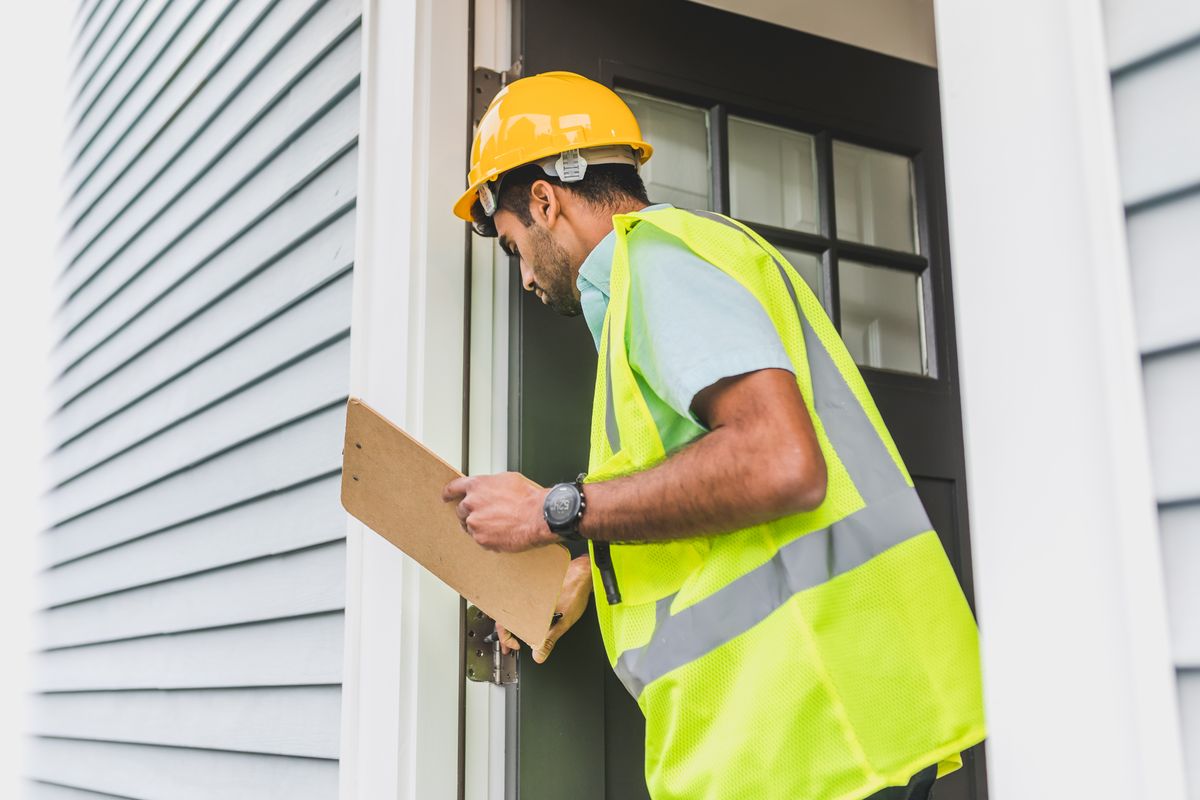
- Structure – foundation, framing, walls
- Roof – shingles, flashing, gutters
- Electrical – panel, wiring, outlets
- Plumbing – supply and drain lines, water heater
- HVAC – furnace, A/C, ventilation
- Insulation & Attic
- Basement & Crawlspace
- Windows, Doors & Exterior
- Thermal imaging & moisture testing – included
You receive a detailed written report the same day. For a room-by-room look at what gets checked, see what do home inspectors look for?
5 Questions to Ask Before You Book Any Inspector
The cheapest quote isn't always the cheapest inspection. A low price with thermal imaging and lab fees billed on top can end up costing more. Ask every inspector you call these five questions:
| Ask this | Kirpa's answer |
|---|---|
| Is thermal imaging included, or extra? | Included at no extra cost |
| For mold testing, is the lab fee in the price? | Yes. Air sampling and lab analysis are included |
| What certifications do you hold? | InterNACHI certified and WETT certified, licensed and insured |
| Can I be there during the inspection? | Yes. Walk through the home with your inspector and ask questions as you go |
| When do I get the report? | A detailed written report the same day |
The full checklist is in how to choose a home inspector in Ontario.
What Brampton Buyers Say
"Balwinder carefully checked the home and pointed out things we would have never noticed ourselves."
Navpuneet Kaur
"As first-time home buyers, we had a lot of questions, and he answered every single one."
Arsh Randhawa
"He helped us negotiate a better deal with the seller."
Harpreet Singh
"The inspection was incredibly detailed and nothing was overlooked."
Pawan Sidhu
"Explained everything in a way that was easy to understand."
Harsimrandeep Kaur
★★★★★ 5.0 Rating on Google
First-Time Buyer?
A proper inspection takes between 2 and 4 hours depending on the property.
Walk through the home with your inspector, ask questions, and understand what is being inspected.
How the Report Helps You Negotiate
Your inspection report is a negotiation tool.
If issues are discovered, you can request repairs or negotiate a lower purchase price. If everything looks good, you move forward with confidence.
Lab results from a mold or air quality test carry extra weight here. A lab report is documentation. A verbal opinion isn't.
Frequently Asked Questions
How much does a home inspection cost in Brampton?
At Kirpa, home inspections start at $149 for a condo or apartment. A townhouse or semi starts at $349, a detached home under 2,000 sq ft at $399, and a larger home at $449. Size, age and add-ons move the final price, and you get the price before you book.
Is thermal imaging included in a home inspection?
At Kirpa, yes. Thermal imaging and moisture testing are included in every full home inspection at no extra cost. Some inspectors charge for it separately, so ask before you book.
How much does a mold inspection cost?
$450 to $750, depending on how many rooms are affected. It takes 1 to 2 hours, and air sampling with third-party lab analysis is included in the price.
Can I book a mold inspection without a full home inspection?
Yes. A mold inspection can be booked on its own or added to a full home inspection.
How long does a home inspection take?
Between 2 and 4 hours, depending on the property. A mold inspection on its own takes 1 to 2 hours.
Do I need a WETT inspection?
If the home has a wood stove or a wood-burning fireplace, your insurer may ask for one. Kirpa's inspector is WETT certified. Mention it when you book and call for a quote.
Is a home inspection worth it in a bidding war?
One Kirpa client skipped the inspection and later paid over $10,000 to fix a main drain line invaded by tree roots. The inspection costs a fraction of one missed repair.
Ready to Book?
Kirpa Home Inspection Services proudly serves Brampton, Mississauga, Toronto and the GTA. Home inspections start at $149.
Book Your Inspection