You’ve been outbid four times. The fifth house is the one. Your agent says the seller has six offers and only wants clean ones — no financing condition, no inspection condition, nothing.
So you’re sitting there at 9 PM with the offer form open, wondering if the inspection is the thing you give up to finally win.
Here’s the honest answer: waiving the inspection is the single most expensive way to make your offer look better.
And in almost every case, there’s a way to get the same competitive offer without buying a house blind.
Why So Many GTA Buyers Waive It Anyway
Let’s be fair — buyers who waive aren’t being careless. They’re being squeezed.
In Brampton, Mississauga and across the GTA, sellers routinely set an offer date, collect a stack of bids, and pick the cleanest one. A firm offer with no conditions beats a conditional offer at the same price almost every time.
So the pressure is real. Nobody waives an inspection because they think inspections are useless. They waive it because they think it’s the price of admission.
The problem is what happens after the papers are signed.
What “Waiving” Actually Means in Ontario
This is the part most buyers don’t get explained to them properly.
Ontario runs on buyer beware. A seller has to disclose latent defects they know about — the hidden ones that make a home unsafe or unlivable. Everything else is your problem the moment you close.
And the Seller Property Information Statement, the form where a seller lists known issues? It’s voluntary in Ontario. Plenty of sellers simply don’t fill one out.
So when you waive the inspection, here’s the position you’ve put yourself in:
- No professional has looked at the house
- The seller wasn’t required to hand you a written history
- You have no report, no photos, nothing to renegotiate with
- You have no way out — a firm offer is firm
You’re not just skipping a service. You’re giving up the only independent look anyone will ever take at the property before your money moves.
This is general information, not legal advice — run the specifics past your real estate lawyer before you sign anything.
The $10,000 Version of This Story
One of Balwinder’s clients at Kirpa went through exactly this. Competitive listing, house they loved, and they moved fast to win it. No inspection.
They got the house.
A few months after closing, the drains started running slow. Then slower. Then not at all.
Tree roots had grown into the main drain line. One system. One issue. On a house they’d already spent everything on.
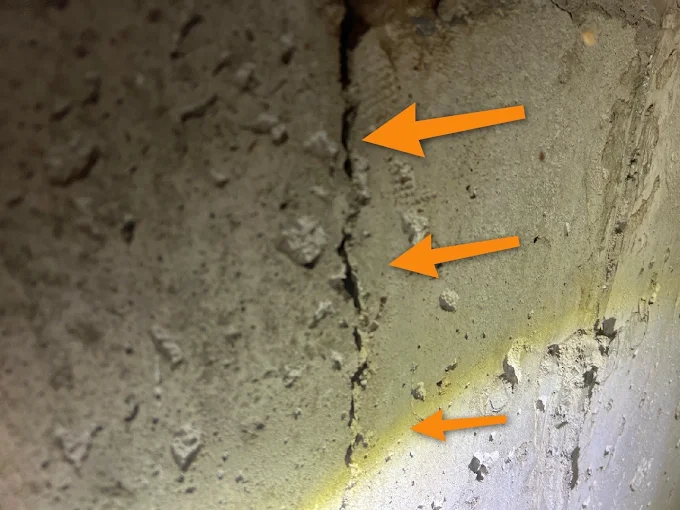
And that’s a cheap version of this. A foundation crack you’d never spot without knowing what to look for in a finished basement can run into tens of thousands. So can a furnace at the end of its life, aluminum wiring, or a roof with two years left on it.
The inspection didn’t cost them money. Skipping it did.
The Three Things That Cost the Most When Nobody Looks
Across GTA inspections, the expensive surprises cluster in the same places:
1. Water where it shouldn’t be
Behind finished basement drywall, under bathroom floors, around foundation cracks. A finished basement is a beautiful place to hide a moisture problem, which is why we run a thermal camera through every inspection — it picks up moisture behind walls that a visual check alone would walk right past.
2. Systems at the end of their life
A furnace, roof or water heater doesn’t fail loudly on closing day. It fails in year two. Knowing you’re inheriting a 22-year-old furnace changes what the house is worth to you before you bid, not after.
3. Work that was never permitted
This one is very Brampton. Basement apartments, converted garages, added bathrooms — a lot of it done well, some of it done by whoever was cheapest, and a fair amount of it never inspected by anyone. That’s fine right up until an insurer or the city asks a question.
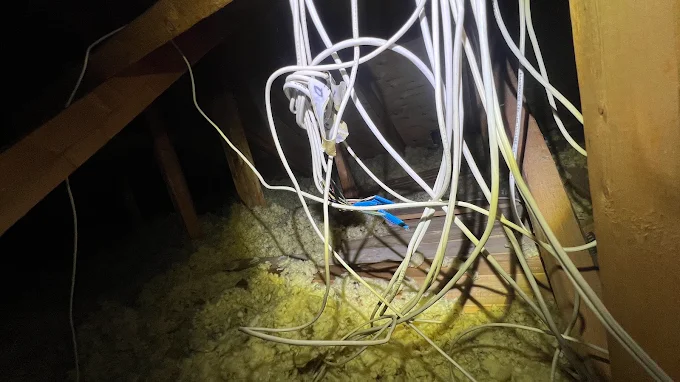
None of these are exotic. All of them are visible to someone who spends four hours in the house knowing where to look.
The Better Move: Get It Inspected Before You Bid
Here’s the part nobody tells first-time buyers, and it’s the single most useful thing in this post.
You do not have to choose between “inspection condition” and “no inspection.” There’s a third option: inspect the house before the offer date, then submit a firm offer with confidence.
You book an inspector for the showing window. They walk the property, look at the major systems, and tell you what they found. Then you write your offer knowing what you’re buying.
Your offer is still clean. The seller still sees no conditions. But you’re not guessing.
Talk to your agent about arranging access during the showing period — most listing agents will accommodate it, especially if there’s an offer date and they want serious bids. And ask your inspector directly what they can do inside a pre-offer window; scope and pricing for a pre-offer look aren’t the same as a full four-hour inspection, so get that clear up front.
If you win, you can still bring the inspector back for the full roof-to-foundation report.
Your Three Options, Side by Side
| Your Move | How the Seller Sees It | What You Know | Verdict |
|---|---|---|---|
| Waive the inspection | Clean, firm offer — most competitive | Nothing. No report, no photos, no way out. | Avoid |
| Inspect before you bid | Clean, firm offer — just as competitive | Major systems checked. You bid on facts. | Best |
| Short 48-hour condition | Conditional, but barely — most sellers accept | Full roof-to-foundation report, with a way out. | Strong |
The Other Better Move: A Condition So Short It Barely Counts
If a pre-offer inspection isn’t possible, the fallback is a very short inspection condition — 2 or 3 days instead of 5.
Sellers reject inspection conditions because they’re afraid of a deal sitting in limbo for a week. A 48-hour condition removes most of that objection while still protecting you.
But a short condition only works if you can actually get an inspector in the door in time. This is where a lot of buyers get burned: they negotiate a 3-day condition, spend the first two days phoning inspectors who are booked solid, and end up waiving by default.
That’s not a decision. That’s a scheduling failure with a five-figure price tag.
It’s the exact reason same-day home inspections in Brampton and the GTA exist. Call before 11 AM and there’s a good chance we’re in the house that day — full roof-to-foundation scope, thermal imaging included, report the same day or next morning. Your 3-day condition stops being a gamble.
When Is Waiving Actually Defensible?
Being honest about this matters more than scaring you, so here are the cases where waiving is a real, reasoned choice rather than a panic move:
- You already had it inspected before the offer date. You didn’t skip the inspection — you just moved it earlier. This is the good version.
- The seller provided a pre-listing inspection report and you’ve read it, checked who wrote it, and had your own inspector look it over. A report paid for by the seller is a starting point, not a substitute.
- You’re buying the lot, not the house. If the plan is to demolish, the furnace doesn’t matter.
- A brand-new build under Tarion warranty — though even here, a pre-delivery inspection catches the things you’ll otherwise be arguing about in month eleven.
Notice what all four have in common: someone still looked, or the condition of the house genuinely doesn’t affect the price. If your situation isn’t one of these four, you’re not waiving strategically. You’re rolling dice.
You Already Waived and You Close Next Month. Now What?
This happens, and it isn’t hopeless. Do this:
- Book an inspection anyway, before closing if you can get access. Knowing about a failing furnace three weeks early is worth real money in planning.
- If you can’t get in before closing, book for the week you take possession. You want a full baseline of the house before you start spending on renovations you may need to re-do.
- Prioritize by cost, not by annoyance. Roof, foundation, electrical panel, furnace, drains. The cosmetic stuff can wait.
- Get it in writing. A written report with photos is what you’ll need if you end up in a conversation with an insurer, a contractor, or a lawyer.
An inspection after closing can’t get you out of the deal. It can absolutely stop you from putting $30,000 of finishes over a moisture problem.
What This Costs Versus What It Saves
A standard home inspection in Brampton runs a few hundred dollars — we break down exactly what a home inspection costs in Brampton and what moves the price, with real numbers instead of vague ranges.
Set that against a $10,000 drain line. Or a $25,000 foundation repair. Or a $9,000 roof.
And not all inspections are the same product. A 60-minute walkthrough and a four-hour roof-to-foundation inspection both get called “a home inspection” — the difference between a basic inspection and a thorough one is usually the difference between a report that lists what’s obvious and one that finds what’s expensive.
If you’re going to spend the money, spend it on someone who’s going to be in the house long enough to find something.
What Brampton Buyers Say
“The inspection was incredibly detailed, and nothing was overlooked. The report was clear, well-organized, and easy to understand.” — Pawan Sidhu
“Explained things in a way that was easy to understand, not too technical.” — Harsimrandeep Kaur
★★★★★ 98 Reviews. 5.0 stars. Every single one.
Common Questions
Does waiving the inspection actually make my offer stronger?
Yes — that’s why it’s tempting. A firm offer is more attractive to a seller than a conditional one. But a pre-offer inspection gives you a firm offer and the information, which is strictly better than a firm offer alone.
Can my agent tell me to waive the inspection?
Your agent can advise you on what makes an offer competitive. The decision is yours, and so is every dollar of consequence. If you feel pressured, that’s your signal to slow down and get your own advice.
How fast can I actually get an inspector out?
Same-day or next-day is realistic in Brampton and the GTA if you call early. The buyers who end up waiving are almost always the ones who started looking on day two of a three-day condition.
What if the inspection finds something after I’ve already waived?
You have no contractual remedy from the inspection itself — the deal is firm. What you get is time to plan, budget, and get quotes before the problem gets worse. That’s still worth having.
Is a pre-listing inspection from the seller good enough?
Treat it as useful background, not a clean bill of health. It was commissioned by the person selling you the house. Read it, then have your own inspector review it.
The Bottom Line
Waiving the inspection to win a bidding war is trading a few hundred dollars of certainty for an unlimited amount of risk on the largest purchase of your life.
You don’t have to make that trade. Inspect before you bid, or keep a condition short enough that the seller doesn’t blink — and line up an inspector who can actually show up inside it.
Don’t Bid Blind. Book an Inspection.
Kirpa Home Inspection Services — InterNACHI certified, licensed and insured. Full roof-to-foundation inspections across Brampton, Mississauga, Toronto and the GTA, thermal imaging included, same-day availability.
Book Your Inspection →